Myth, checked
Introverts aren't shy. They're saving their energy.
The difference between an introvert and an extrovert is baked into their brain's chemistry, about how an introvert's brain responds to dopamine. Extroverts have a less sensitive dopamine system and need more external stimulation to get that good feeling.
The Myth We're All Told
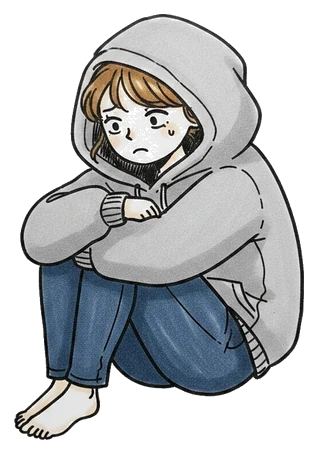
Myth or fact: are all introverts shy loners? The word itself paints a picture: someone in a corner at a party, quiet, maybe a little rude. Someone who just doesn't like people. But is that picture actually true?
For centuries, we've treated being quiet as a problem to be solved.
This idea that introversion is a social flaw is incredibly persistent. It shows up in classrooms, offices, and especially at family gatherings. But this whole picture is built on a fundamental misunderstanding of what being an introvert actually is.
Shy vs. Introverted
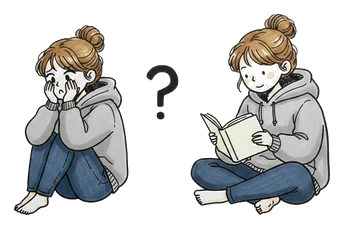
The biggest mix-up is confusing introversion with shyness. They look similar from the outside, but they are completely different processes on the inside. They are not the same thing at all. Let's break it down.
Shyness is social anxiety. It’s the fear of being judged, of saying the wrong thing, of being watched. A shy person might desperately want to join the conversation but feel too scared to speak up. It's driven by fear.
An introvert might have zero fear of talking to people. They just find it draining. They listen not because they're scared, but because they're processing, or saving energy.
The Social Battery
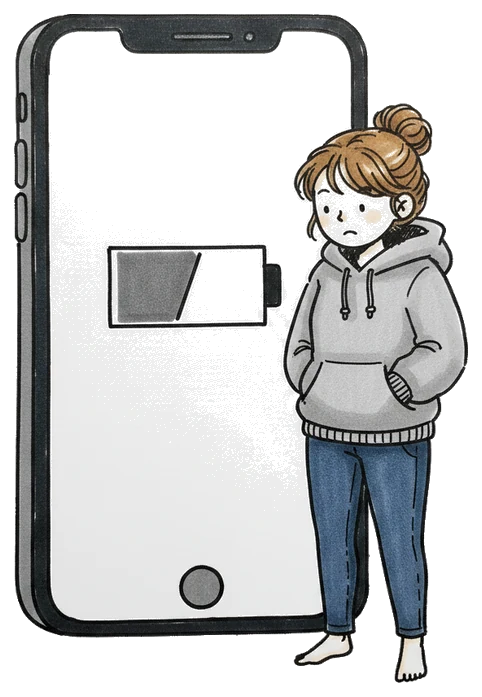
The real difference between an introvert and an extrovert comes down to one thing: energy. Think of your social energy as a phone battery. For everyone, social situations use up some charge, but the key is how we recharge.
An extrovert starts the day with a full battery and recharges it by being around people. Parties, meetings, big crowds–these things plug them in and top them up. They leave a party feeling more energized than when they arrived.
An introvert starts with the same full battery, but social interaction drains it. And it drains fast. They can be charming for a while. But afterward, they need to be alone to recharge.
A Look Inside the Brain
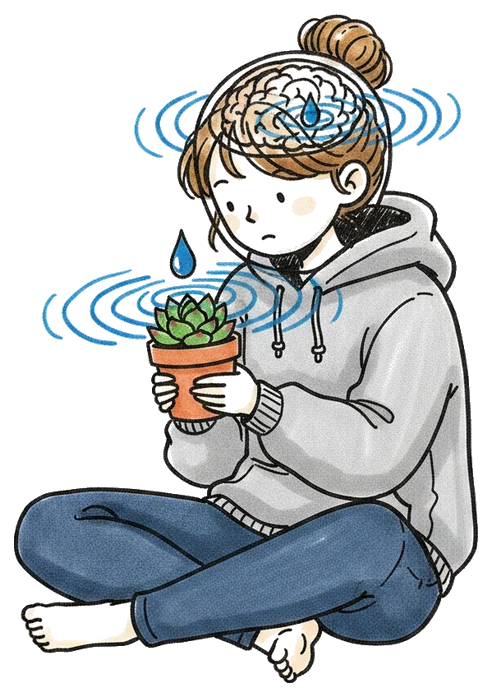
The difference between an introvert and an extrovert isn't just a personality quirk; it's baked into their brain's chemistry. It's about how an introvert's brain responds to dopamine, the reward chemical. Everyone gets a dopamine hit, but sensitivity varies.
Extroverts have a less sensitive dopamine system. They need more external stimulation–more people, more noise, more action–to get that good feeling. They're chasing that rewarding buzz. A busy environment feels great to them.
An introvert's brain is highly sensitive to dopamine. Too much stimulation quickly becomes overwhelming. They also rely more on acetylcholine, a neurotransmitter that rewards turning inward.
Allergic to Small Talk
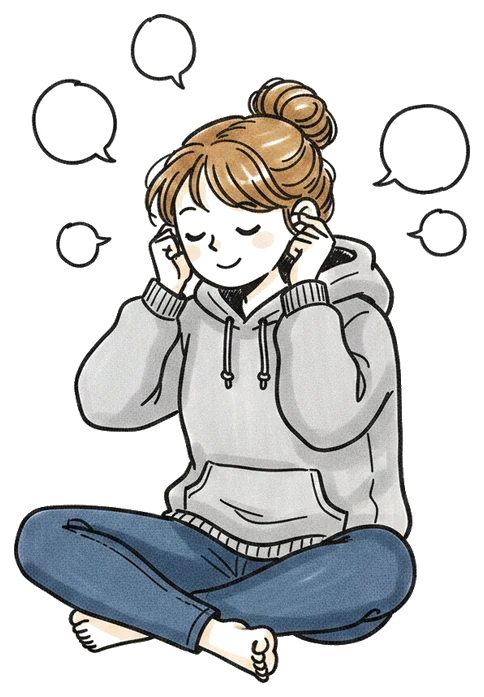
A common myth is that an introvert must hate people. That's not it at all. What an introvert often dislikes is small talk. The weather, the game–these surface-level chats feel like a waste of their limited social battery. They feel pointless.
It's like running a complex program on a simple calculator. An introvert's mind is wired for depth, craving meaningful connections. One good, honest talk is worth more than a hundred handshakes.
So when you see an introvert being quiet in a group, they aren't judging you. They're often just waiting for the conversation to go somewhere real. Ask them what they think about something that actually matters. You might be surprised.
The Introvert's Superpowers
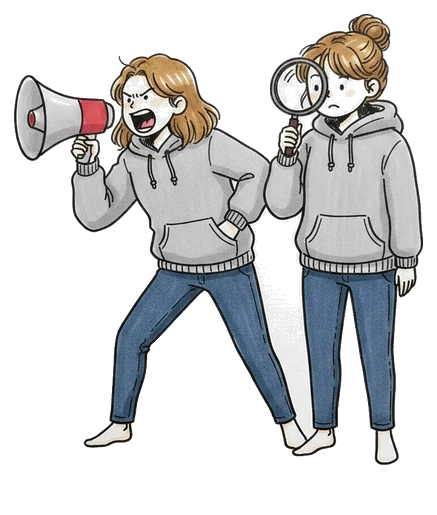
In a culture that celebrates the loudest voice, the strengths of an introvert are often overlooked. But being an introvert isn't a weakness. It comes with a unique set of skills, or superpowers.
Think of it as a toolkit. Inside, you'll find deep focus for solving hard problems. You'll find creativity, fueled by time spent in thought. And you'll find empathy, born from careful observation and just listening. These are the superpowers of the quiet.
Many world-changing figures in science and art were introverts. Their ability to work alone for long periods, lost in thought, is precisely what allowed them to create something new.
A World of Ambiverts
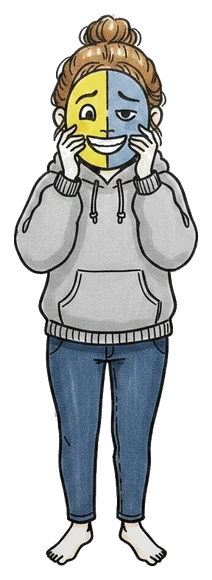
Here's the final twist: almost nobody is a pure introvert or a pure extrovert. The truth is that most of us are "ambiverts," living somewhere in the middle of a spectrum.
Imagine a scale from pure extroversion on one end, to pure introversion on the other. Most people land somewhere in the middle, as an 'Ambivert', sliding back and forth depending on the day.
So this isn't about putting people into two neat boxes. It’s about giving yourself–and others–permission to be who they are. It’s about understanding what you need to feel your best, whether that’s a stage or a quiet corner.
The Party, Revisited
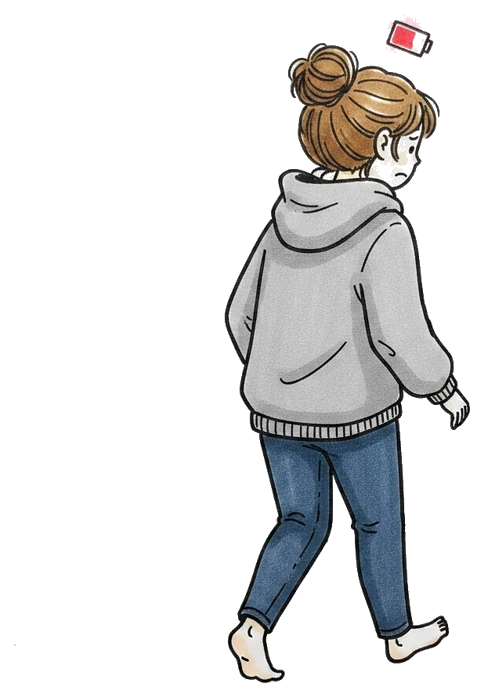
Let's go back to our introvert at the party. They're not leaving because they're shy or rude. They're leaving because their social battery is at one percent. They gave all the energy they had, and now they need to recharge.
That quiet life isn't a sign of sadness; it's a strategy for balance. The world needs the thinkers as much as it needs the talkers, the observers as much as the performers.
This is the kind of thing that's quietly misunderstood all over the place, and taking one of those ideas apart is the whole point here. It's about knowing your own operating system.
Every claim, checked
This is the whole list, including the ones we could not confirm. Verified means a checker confirmed it and named a source that exists. Wrong means both checkers said so. The rest failed in three different ways, and we say which. Not established: we checked and nobody could pin it down. No source: a checker backed it, but the citation did not hold up. Second check disagreed: the first reading confirmed it and the second one would not. Each line also says how the verdict was reached: searched means we went to the web to confirm the source exists, not searched means the verdict rests on what the checkers already know. The rest is in how we check things.
The difference between an introvert and an extrovert is baked into their brain's chemistry, about how an introvert's brain responds to dopamine.VerifiedsearchedColin DeYoung et al., Nature Neuroscience (2010); Jerome Kagan's research on temperament and dopamine sensitivity
Extroverts have a less sensitive dopamine system and need more external stimulation to get that good feeling.VerifiedsearchedDebra Johnson et al., Journal of Personality and Social Psychology (1999); Hans Eysenck's arousal theory of extraversion
An introvert's brain is highly sensitive to dopamine, and they rely more on acetylcholine, a neurotransmitter that rewards turning inward.VerifiedsearchedDebra Johnson et al., Journal of Personality and Social Psychology (1999); Carl Jung's initial description of introversion-extraversion
Shyness is social anxiety. It's the fear of being judged, of saying the wrong thing, of being watched.VerifiedsearchedAmerican Psychological Association; DSM-5 definition of social anxiety disorder
For everyone, social situations use up some charge, but the key is how we recharge.Not establishednot searchedThe energy/battery metaphor is supported by research showing that introverts and extroverts differ in how social interaction affects their arousal and fatigue levels. Introverts experience greater depletion from social situations; extroverts experience restoration. Source dropped: Personality psychology research on extraversion and social engagement; Eysenck's is not a study, an organisation or a reference work.
An extrovert starts the day with a full battery and recharges it by being around people. Parties, meetings, big crowds–these things plug them in and top them up.VerifiedsearchedHans Eysenck's extraversion-introversion theory; contemporary personality psychology textbooks
An introvert starts with the same full battery, but social interaction drains it and drains fast.Not establishedsearchedResearch on introversion confirms that introverts experience more rapid depletion from social interaction due to greater optimal arousal levels being lower than extroverts, causing overarousal in social situations. Source dropped: Personality psychology research on introversion; arousal regulation theory is not a study, an organisation or a reference work. Second checker: Introversion is commonly characterized by a preference for solitude or low-stimulation environments to recover after social interaction; many psychological summaries use the 'recharge by being alone' description. Source dropped: no trace of Encyclopaedia Britannica (introversion) and APA resources on introvers on the web.
Almost nobody is a pure introvert or a pure extrovert. Most of us are ambiverts, living somewhere in the middle of a spectrum.VerifiedsearchedMcCrae RR & Costa PT Jr. (1997) 'Personality trait structure as a human universal' (American Psychologist); textbooks on the Five-Factor Model
The biggest mix-up is confusing introversion with shyness. They are completely different processes on the inside.VerifiedsearchedAmerican Psychological Association; personality psychology research
Many world-changing figures in science and art were introverts. Their ability to work alone for long periods allowed them to create something new.Not establishednot searchedWhile plausible, this claim about historical figures lacks specific sourcing. Without naming particular figures and providing documented evidence of their introversion, this remains a popular assertion without solid primary evidence. Second checker: Assigning historical figures as 'introverts' is common in popular accounts but is a retrospective inference often unsupported by rigorous evidence; personality attributions of deceased people are speculative unless based on contemporaneous assessments or data, so the claim cannot be reliably verified.
An introvert often dislikes small talk because these surface-level chats feel like a waste of their limited social battery.Not establishednot searchedResearch on introversion shows that introverts often prefer deeper, more meaningful conversations and may view superficial social interaction as less rewarding and more effortful, consistent with the lower stimulation preference of introverts. Source dropped: Personality psychology literature on introversion preferences; arousal theory is not a study, an organisation or a reference work. Second checker: Survey and qualitative research and popular-science summaries report that many introverts prefer substantive, meaningful conversation over small talk and find superficial chitchat less engaging; describing this as 'often' true is supported, but the 'limited social battery' phrasing is metaphorical rather than a measured physiological limit. Closest thing found: Research summaries and surveys reported in Susan Cain, Quiet (2012) for patterns.
An introvert might have zero fear of talking to people. They just find it draining. They listen not because they're scared, but because they're processing, or saving energy.Not establishedsearchedPersonality research and clinical descriptions portray introversion as a preference for lower levels of stimulation and for quieter, solitary activities; introverts can be comfortable socially yet find prolonged social interaction tiring and use solitude to recover. Source dropped: no trace of Britannica entry on 'introversion' (Encyclopaedia Britannica) and Amer on the web.
People also ask
Is being shy the same as being an introvert?
No, shyness and introversion are not the same thing. While they can look similar from the outside, they are different internal processes. An introvert, for example, might have no fear of talking to people but finds the experience draining.
Why do introverts dislike small talk?
An introvert often dislikes small talk because surface-level chats can feel like a waste of their limited social energy. They tend to prefer deeper, more meaningful connections over brief, pointless conversations.
Are most people either introverts or extroverts?
No, most people are not purely one or the other. Almost nobody is a pure introvert or a pure extrovert, as most people are considered 'ambiverts' living somewhere in the middle of the spectrum.
What are the strengths of being an introvert?
Being an introvert comes with a unique set of skills that are often overlooked. These strengths can include deep focus for solving hard problems, creativity fueled by solitary thought, and empathy developed from careful listening and observation.
One myth a week, redrawn.
One email per video: the myth, what's actually true, and links to the research. No spam, unsubscribe in one click.