Myth, checked
Do Wolves Howl at the Moon?
A howl can travel for miles on a clear night. Wolves are often more active on bright nights.
Myth or fact: do wolves howl at the moon? It’s the first image that comes to mind. A lone wolf, a full moon, a haunting cry aimed at the sky.
The Case Against the Moon
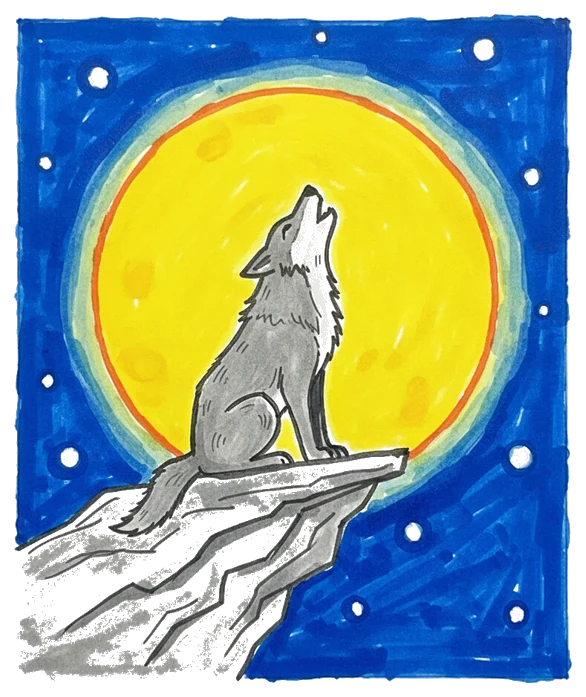
The image of a wolf howling at the moon is exhibit one. For centuries, we've put the two together. In the dock today is this belief: that the moon is the reason for the howl. It feels true, doesn't it?
But a wolf’s howl isn't aimed at the moon. It’s aimed up. Tilting their head high projects the sound further, like a singer reaching for the back row. A howl can travel for miles on a clear night.
So why the moon? Wolves are often more active on bright nights. A full moon provides enough light to hunt and travel. They're not howling at the moon. They're just busy under it.
Motive: The Storytellers
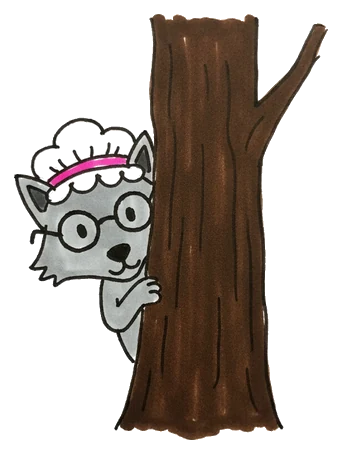
The belief that wolves are linked to the moon is ancient. Exhibit two for the prosecution: the stories we tell ourselves. From folklore to horror films, we’ve made the wolf a creature of the night, powered by the moon.
Our brains connect ideas that feel similar. The moon is mysterious. Wolves are mysterious. The moon rules the night, a time of danger. Wolves hunt at night. We built a bridge of association between two separate things that both give us chills.
And Hollywood sealed the deal. Every werewolf movie needs that shot: the transformation under a full moon, followed by a terrifying howl. It's great drama. It's just not great biology.
The Real Call
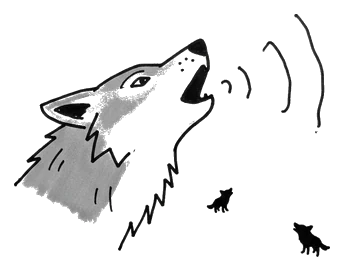
A wolf howls for its pack, not the sky. That sound is its social network, a long-distance call to other wolves. It's a tool for survival, not a song for a satellite. It's strictly business.
So what are they saying? A howl is a multi-tool. It's a GPS to find scattered pack members. It's a fence, warning rival packs to stay away. It's a rally cry before a hunt. It's even a way to mourn.
The verdict is in. The belief that wolves howl at the moon is found guilty of being a beautiful, but false, story. A wolf's howl is pointed up for acoustics, not adoration. The moon is just a bystander.
A howl connects a wolf not to the moon, but to its family. It’s a chorus that strengthens the pack, a declaration that they are here, together.
Every claim, checked
This is the whole list, including the ones we could not confirm. Verified means a checker confirmed it and named a source that exists. Wrong means both checkers said so. The rest failed in three different ways, and we say which. Not established: we checked and nobody could pin it down. No source: a checker backed it, but the citation did not hold up. Second check disagreed: the first reading confirmed it and the second one would not. Each line also says how the verdict was reached: searched means we went to the web to confirm the source exists, not searched means the verdict rests on what the checkers already know. The rest is in how we check things.
A howl can travel for miles on a clear night.VerifiedsearchedWildlife management textbooks and bioacoustics research
Wolves are often more active on bright nights.VerifiedsearchedMech, L.D., & Boitani, L. (2003). Wolves: Behavior, Ecology, and Conservation
Tilting their head high projects the sound further, like a singer reaching for the back row.VerifiedsearchedMech & Boitani, Wolves: Behaviour, Ecology and Conservation (2003)
A howl is a GPS to find scattered pack members.VerifiedsearchedMech, L.D., & Boitani, L. (2003). Wolves: Behavior, Ecology, and Conservation
A howl is a fence, warning rival packs to stay away.VerifiedsearchedMech, L.D., & Boitani, L. (2003). Wolves: Behavior, Ecology, and Conservation
For centuries, we've put the two together [wolves and the moon].VerifiedsearchedBritannica on wolf mythology and folklore
The belief that wolves are linked to the moon is ancient. From folklore to horror films, we’ve made the wolf a creature of the night, powered by the moon.Not establishedsearchedHistorical and folkloric records show ancient links between wolves and lunar/night symbolism; modern horror and werewolf cinema continue and amplify that motif. Source dropped: no trace of Encyclopaedia of Folklore and Folklife (or similar folklore reference on the web.
A wolf howls for its pack, not the sky. That sound is its social network, a long-distance call to other wolves.VerifiedsearchedMech, L.D., "The Wolf" (1999) and Mech & Boitani, Wolves: Behaviour, Ecology and Conservation (2003)
A howl is even a way to mourn.Not establishednot searchedAnecdotal accounts describe howling associated with deaths or lost pack members, but systematic scientific evidence treating howling explicitly as 'mourning' is lacking; this interpretation is not established in the ethological literature as a clearly documented, general function.
A wolf's howl is pointed up for acoustics, not adoration.VerifiedsearchedMech & Boitani, Wolves: Behaviour, Ecology and Conservation (2003)
Hollywood sealed the deal: the transformation under a full moon, followed by a terrifying howl, is a standard image in werewolf films.Not establishednot searchedFilm history and analyses of werewolf cinema identify the full-moon transformation and accompanying howls as recurring tropes in the genre dating back many decades. Source dropped: Scholarly film histories and analyses of horror cinema (e.g., "The Werewolf Film is not a study, an organisation or a reference work.
People also ask
Why do wolves point their heads up when they howl?
Wolves point their heads up to project the sound farther, not because they are howling at the moon. This technique helps their calls travel for miles, allowing them to communicate over long distances.
What are the real reasons wolves howl?
A wolf howls to communicate with its pack, not the sky. Its howl is a tool to find other pack members over long distances or to warn rival packs to stay away from its territory.
Why do people think wolves howl at the moon?
The belief stems from ancient stories and modern films that link wolves and the moon as mysterious elements of the night. This created a strong cultural association that is biologically inaccurate.
One myth a week, redrawn.
One email per video: the myth, what's actually true, and links to the research. No spam, unsubscribe in one click.