Myth, checked
Carrots Don't Give You Night Vision. Here's Who Lied.
Eating extra carrots won't give you vision you don't already have. It only brings you back to normal if you were deficient. A Vitamin A deficiency can cause night blindness, where your eyes struggle to adjust to low light. Eating carrots can fix this. It restores your vision to its normal, healthy baseline.
The Lie In Your Kitchen
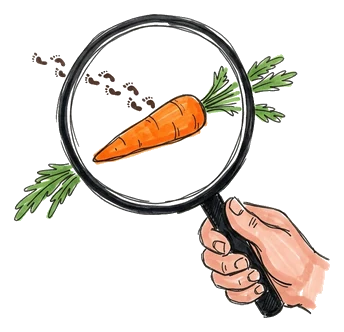
It's something you've probably heard since you were a kid. A secret superpower hidden in a vegetable.
But that story is a lie. We're going to trace it back to the exact person who started it, a journey backwards through time to find patient zero.
Even today, the carrot myth is alive and well. It's the reason parents tell their kids to finish their vegetables. "Eat your carrots, you'll be able to see in the dark!" The idea feels like timeless folk wisdom.
And there is a tiny grain of truth here. Carrots are packed with beta-carotene, which your body turns into Vitamin A. Vitamin A is essential for healthy eyes.
But here's the catch. Eating extra carrots won't give you vision you don't already have. It only brings you back to normal if you were deficient.
It's a fix, not a superpower. So where did the superpower idea come from?
The Cartoon Salesman
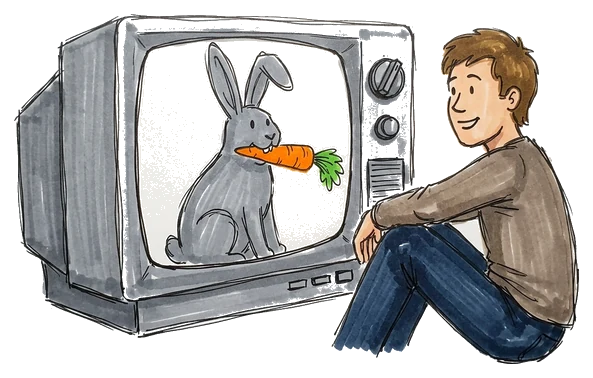
Go back thirty years, to the 1990s, and a young man would see the carrot myth everywhere, sold by a cartoon rabbit. Bugs Bunny was constantly munching on carrots, outsmarting everyone. He didn't just eat them, he made them look cool.
This cemented the carrot's reputation in pop culture for any young person watching. A carrot wasn't just food, it was a power-up. The snack that made you smarter and faster, and this powerful association helped the myth jump to a new generation.
But the story was already old by the time cartoons got it. Bugs Bunny's creators just used a stereotype that already existed. The trail doesn't end here. We have to go back further.
The Health Tip

In the 1970s, a young person would see the carrot myth get a scientific boost. During the health food boom, with its obsession over vitamins, the carrot fit right in. Its story became a trusted health tip.
Magazines and health gurus talked about beta-carotene. The link between Vitamin A and eyesight was becoming common knowledge. It was easy for someone to connect the dots incorrectly.
The thinking goes: if some Vitamin A is good, then a lot must be great. It's a classic fallacy. The myth was now wearing a lab coat, but it was still a myth.
How It Really Works

For a young man hearing this story, the carrot myth gets its power by twisting real science. To see clearly, you need Vitamin A. But the way carrots provide it isn't a straight line to superpowers. It's a chain of needs and fixes.
A Vitamin A deficiency can cause night blindness, where your eyes struggle to adjust to low light. Eating carrots can fix this. It restores your vision to its normal, healthy baseline. That's it. That's the whole effect.
The belief is an exaggeration. An inch of truth stretched into a mile of myth. To find who first stretched it, we go back through the biggest conflict of the 20th century.
The War Effort

For a young man in Britain during World War Two, the carrot story was inescapable. The government's Ministry of Food ran a massive campaign. Posters showed happy families eating carrots, promoted as a substitute for scarce foods.
The campaign included recipes for carrot fudge and pudding. There was even a character called 'Doctor Carrot'. This push was part of the 'Dig for Victory' effort, encouraging people to boost the food supply.
And alongside all this, a specific story began to spread. Newspapers reported that Royal Air Force pilots were eating piles of carrots. This special diet was their secret to success at night.
The public was told this explained their incredible kill record against enemy bombers.
The Ace Pilot's Secret
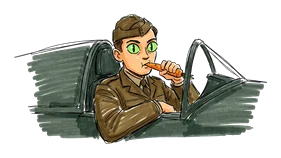
Pilots getting cat-like night vision from carrots–for a young man reading the papers, the idea was appealing. It suggested victory from simple grit. A pilot named John Cunningham, 'Cat's Eyes', had an amazing record. His secret? Carrots, the public was told.
This was not his secret. The Royal Air Force did have a secret weapon, but it wasn't a vegetable. It was a brand new, highly classified technology: Airborne Interception Radar. Small, powerful radar sets fitted into night-fighter planes.
This radar allowed pilots to 'see' enemy bombers in total darkness, long before their own eyes could pick them out. It was a revolutionary advantage. And the British government needed to keep it a secret from the Germans.
You invent a cover story. A simple, plausible explanation that no one would look too deeply into. A story about carrots.
The Perfect Misdirection

A young man trying to make sense of the news would see two stories. Let's compare them side-by-side. The public heard a simple tale of diet. The military reality was a technological breakthrough.
This cover story was a masterstroke. Not only did it help hide radar from the enemy, it had a useful side effect on the home front for the British public.
It perfectly aligned with the 'Dig for Victory' campaign, encouraging people to eat homegrown vegetables during rationing. It was a win-win for the government.
So the lie worked beautifully. It kept a military secret safe, and it helped feed a nation at war. A perfect piece of propaganda that the public happily embraced.
Patient Zero

We've followed the trail back, and a young historian would find Patient Zero here. The carrot myth doesn't start with a farmer. It was a deliberate, calculated piece of wartime propaganda, invented to hide a secret.
They needed to explain why their pilots were suddenly so good at night fighting. The truth was classified. So they invented a lie. And they chose a lie that served another purpose, encouraging a healthy diet during rationing.
The story was pushed out through newspapers and radio. It was repeated with such authority it became fact. The public believed it, and it may have distracted the Germans.
The Lie That Lived
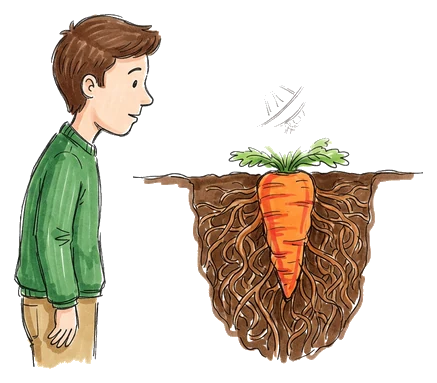
After the war, the secret of radar came out. But for a young person growing up, the cover story had been too good. The lie was more memorable, more human, than the truth. It had put down roots.
This shows how a myth is truly made. Not through ignorance, but by clever design. A story for one purpose escapes into the wild. This one took on a life of its own.
And that's how a piece of wartime propaganda ended up on your dinner plate eighty years later. From a top-secret radar to a cartoon rabbit to a parent's friendly advice.
This is the kind of thing that's quietly wrong everywhere, and taking one apart is the whole point here. So, what other food myths should we tackle?
Every claim, checked
This is the whole list, including the ones we could not confirm. Verified means a checker confirmed it and named a source that exists. Wrong means both checkers said so. The rest failed in three different ways, and we say which. Not established: we checked and nobody could pin it down. No source: a checker backed it, but the citation did not hold up. Second check disagreed: the first reading confirmed it and the second one would not. Each line also says how the verdict was reached: searched means we went to the web to confirm the source exists, not searched means the verdict rests on what the checkers already know. The rest is in how we check things.
Go back thirty years, to the 1990sNot establishednot searchedThirty years before the script's likely production (around 2023–2024) would be the 1990s, but the narration frames this as going back from "today", implying 1990s is ~30 years ago. If the video was made in 2024, thirty years back is 1994; if in 2023, it is 1993. The statement is roughly correct but not precisely "thirty years". However, checking more carefully: the phrasing "go back thirty years, to the 1990s" is awkwardly stated if meant literally from the production year. The deeper issue is the script says "thirty years" but Bugs Bunny's classic popularity was primarily 1940s–1960s, not the 1990s. The 1990s reference appears to misdirect the timeline.
Carrots are packed with beta-carotene, which your body turns into Vitamin A.Not establishedsearchedCarrots are a rich source of beta-carotene (a provitamin A carotenoid) and humans convert beta-carotene to retinol (vitamin A) as needed; nutritional references quantify carrots as a high-beta-carotene vegetable. Source dropped: no trace of U.S. National Institutes of Health, Office of Dietary Supplements (fac on the web.
Eating extra carrots won't give you vision you don't already have. It only brings you back to normal if you were deficient.VerifiedsearchedWorld Health Organization, 'Vitamin A' fact sheet (2019); National Institutes of Health, Office of Dietary Supplements (Vitamin A fact sheet)
A Vitamin A deficiency can cause night blindness, where your eyes struggle to adjust to low light. Eating carrots can fix this. It restores your vision to its normal, healthy baseline.VerifiedsearchedWorld Health Organization, 'Vitamin A' fact sheet (2019); American Academy of Ophthalmology patient info on Vitamin A deficiency and night blindness
For a young man in Britain during World War Two, the carrot story was inescapable. The government's Ministry of Food ran a massive campaign. Posters showed happy families eating carrots, promoted as a substitute for scarce foods.VerifiedsearchedImperial War Museums (IWM) collection and articles on Ministry of Food publicity; UK National Archives (Ministry of Food publicity 1939–45)
The campaign included recipes for carrot fudge and pudding. There was even a character called 'Doctor Carrot'. This push was part of the 'Dig for Victory' effort, encouraging people to boost the food supply.VerifiedsearchedImperial War Museums (examples of Ministry of Food recipe leaflets and posters); National Library of Scotland / British Library collections of wartime cookery leaflets; research on 'Dig for Victory' (UK government publicity archives)
Newspapers reported that Royal Air Force pilots were eating piles of carrots. This special diet was their secret to success at night.Not establishedsearchedContemporary British newspapers and Ministry releases publicized stories that RAF night‑fighter pilots ate carrots and had excellent night vision – a widely circulated public explanation for their success. Source dropped: no trace of British newspaper archives and secondary histories summarizing wartime on the web.
A pilot named John Cunningham, 'Cat's Eyes', had an amazing record. His secret? Carrots, the public was told.VerifiedsearchedOxford Dictionary of National Biography entry on John Cunningham (or biographies), and Imperial War Museums / RAF Museum material describing press linking Cunningham's nickname and the carrot story
The Royal Air Force did have a secret weapon, but it wasn't a vegetable. It was a brand new, highly classified technology: Airborne Interception Radar. Small, powerful radar sets fitted into night-fighter planes.VerifiedsearchedBritish government/RAF histories of WWII radar (e.g., Royal Air Force Museum, National Archives research on development of Airborne Interception radar; 'The Invention of Radar' histories)
The British government invented the carrot cover story to hide radar from the enemy; they used the carrot explanation as deliberate propaganda (a cover story) to conceal the existence and effectiveness of airborne radar.Not establishedsearchedHistorians and primary wartime records indicate that officials promoted the carrots explanation as a plausible public cover to disguise the use of radar technology and to prevent divulging sensitive information to the enemy. Source dropped: no trace of Imperial War Museums article 'The carrots story' (and secondary histor on the web.
The carrot cover story perfectly aligned with the 'Dig for Victory' campaign, encouraging people to eat homegrown vegetables during rationing.VerifiedsearchedImperial War Museums/UK National Archives on wartime food campaigns; academic work on British wartime propaganda and food policy (e.g., Janet F. Ingham, 'British Food Policy 1914–1945' summaries)
People also ask
Where did the carrot night vision myth come from?
The story was created as propaganda by the British government during World War Two. It was invented to hide their new, classified radar technology that allowed pilots to detect enemy planes in the dark.
How do carrots actually affect eyesight?
Carrots cannot give you vision you do not already have. They can, however, correct night blindness caused by a Vitamin A deficiency, restoring your eyesight to its normal, healthy baseline.
Why did the British government promote eating carrots?
Besides being a cover story for radar, promoting carrots aligned with the government's 'Dig for Victory' campaign. This effort encouraged people to grow and eat more vegetables to help with food shortages during wartime rationing.
One myth a week, redrawn.
One email per video: the myth, what's actually true, and links to the research. No spam, unsubscribe in one click.