Fact, checked
This Jellyfish Can Live Forever
There's a tiny jellyfish that ages backwards. Meet Turritopsis dohrnii.
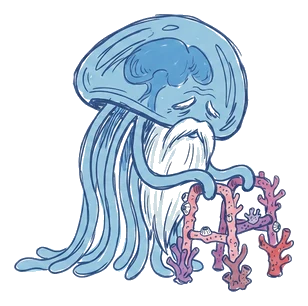
What if you could just... age backwards? There's a tiny jellyfish that does exactly that. Meet Turritopsis dohrnii. It's found a way to cheat death, not by being indestructible, but by hitting reset.
When it gets old, or sick, or stressed, it doesn't just die. It sinks to the ocean floor, its body folds in on itself, and its cells transform. The adult medusa becomes a blob.
The Reset Button
This blob is a polyp, the same stage it started life from. Its adult cells become young again. From this polyp, a new, genetically identical jellyfish will bud off. It’s a complete life cycle reset. It literally gets a do-over.
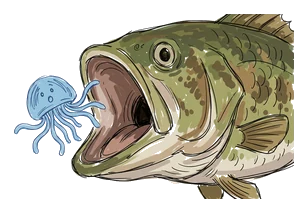
So it's not immortal in the sense that it can't be eaten. A fish can still have it for lunch. But left to its own devices, it could potentially live forever, just cycling between its adult and baby forms.
It's one of the very few animals known to reverse its life cycle this completely. A biological fountain of youth.
Every claim, checked
This is the whole list, including the ones we could not confirm. Verified means a checker confirmed it and named a source that exists. Wrong means both checkers said so. The rest failed in three different ways, and we say which. Not established: we checked and nobody could pin it down. No source: a checker backed it, but the citation did not hold up. Second check disagreed: the first reading confirmed it and the second one would not. Each line also says how the verdict was reached: searched means we went to the web to confirm the source exists, not searched means the verdict rests on what the checkers already know. The rest is in how we check things.
There's a tiny jellyfish that ages backwardsVerifiedsearchedPiraino et al., Journal of Experimental Biology (1996)
Meet Turritopsis dohrniiVerifiedsearchedMarine biology textbooks and taxonomic databases
When it gets old, or sick, or stressed, it sinks to the ocean floor, its body folds in on itself, and its cells transformVerifiedsearchedPiraino et al., Journal of Experimental Biology (1996)
The adult medusa becomes a blob. This blob is a polyp, the same stage it started life fromVerifiedsearchedPiraino et al., Journal of Experimental Biology (1996)
From this polyp, a new, genetically identical jellyfish will bud offVerifiedsearchedMarine biology textbooks
It's one of the very few animals known to reverse its life cycle this completelyVerifiedsearchedPiraino et al., Journal of Experimental Biology (1996); broader cnidarian literature
So it's not immortal in the sense that it can't be eaten. A fish can still have it for lunch.Not establishedsearchedLiterature and popular science notes caution that rejuvenation does not protect against predation, disease, or environmental hazards – extrinsic mortality can still kill individuals. Source dropped: no trace of Encyclopaedia Britannica entry on Turritopsis dohrnii (overview) and s on the web.
But left to its own devices, it could potentially live forever, just cycling between its adult and baby forms.Not establishedsearchedBecause individual medusae can revert to the sexually immature polyp stage and then regenerate medusae repeatedly, in the absence of extrinsic death factors the cycle could theoretically continue indefinitely; authors describe this as potential 'biological immortality'. Source dropped: no trace of Piraino et al., 1996; reviews describing 'potentially immortal' life c on the web.
People also ask
What is the name of the jellyfish that ages backwards?
The jellyfish that can age backwards is named Turritopsis dohrnii. It is a tiny jellyfish known for its ability to revert to an earlier life stage.
How does this jellyfish reset its life cycle?
When the jellyfish is old, sick, or stressed, it sinks to the ocean floor. Its body then folds in on itself and its adult cells transform back into their earliest state.
What happens after the jellyfish's cells transform?
The transformed adult becomes a polyp, which is the same stage it started life from. A new, genetically identical jellyfish will then bud off from this polyp.
One fact a week, drawn.
One email per video: the myth, what's actually true, and links to the research. No spam, unsubscribe in one click.